
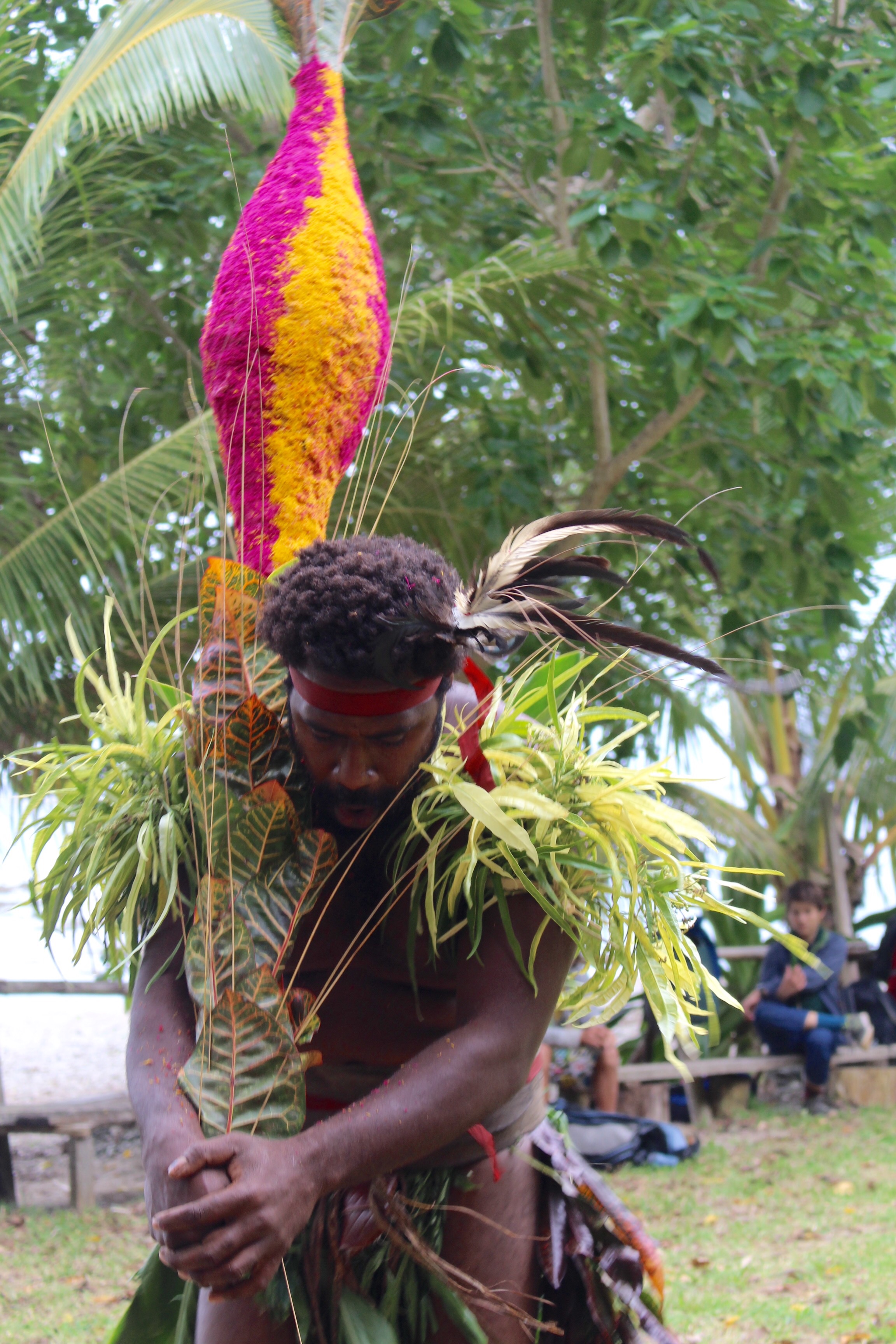
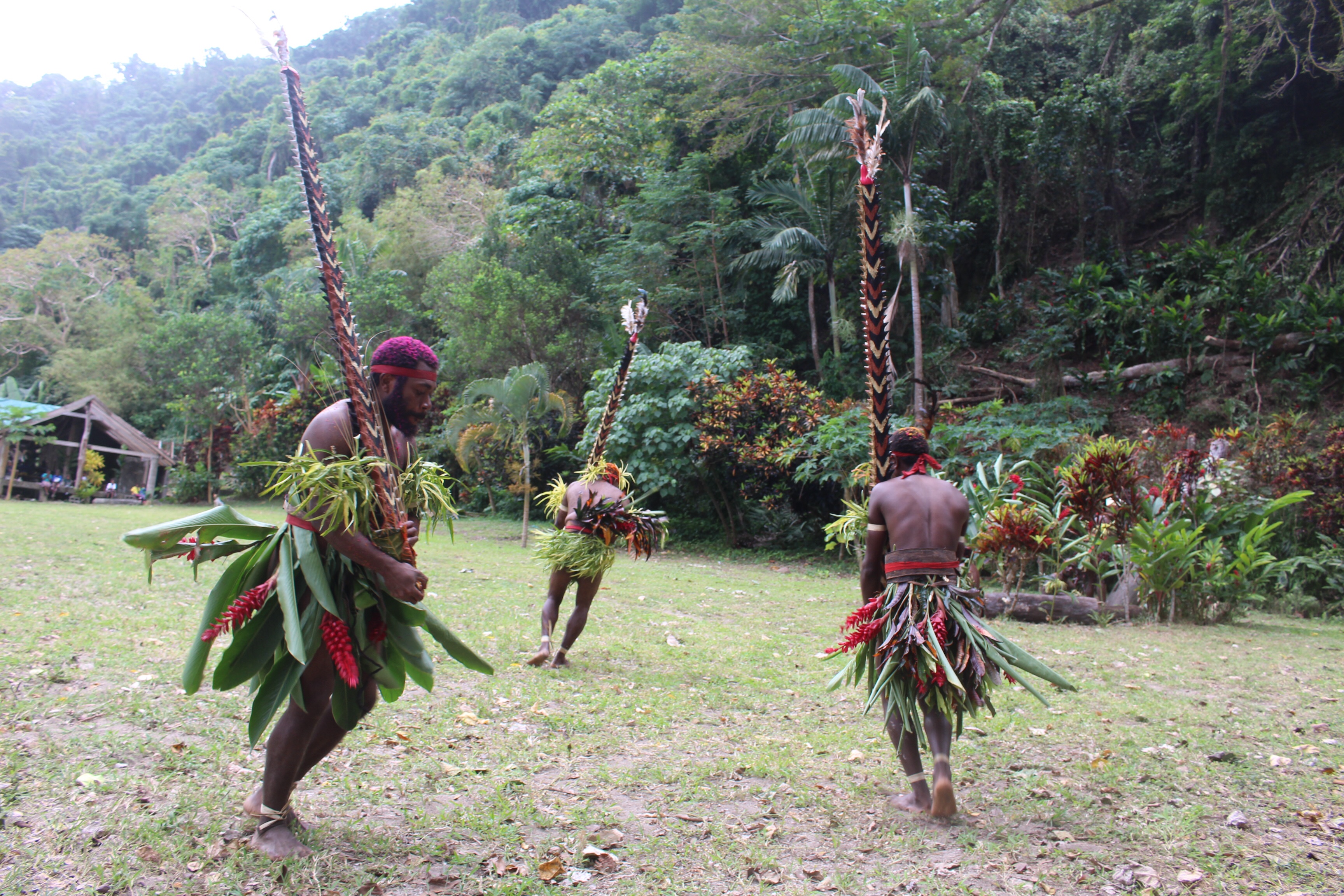
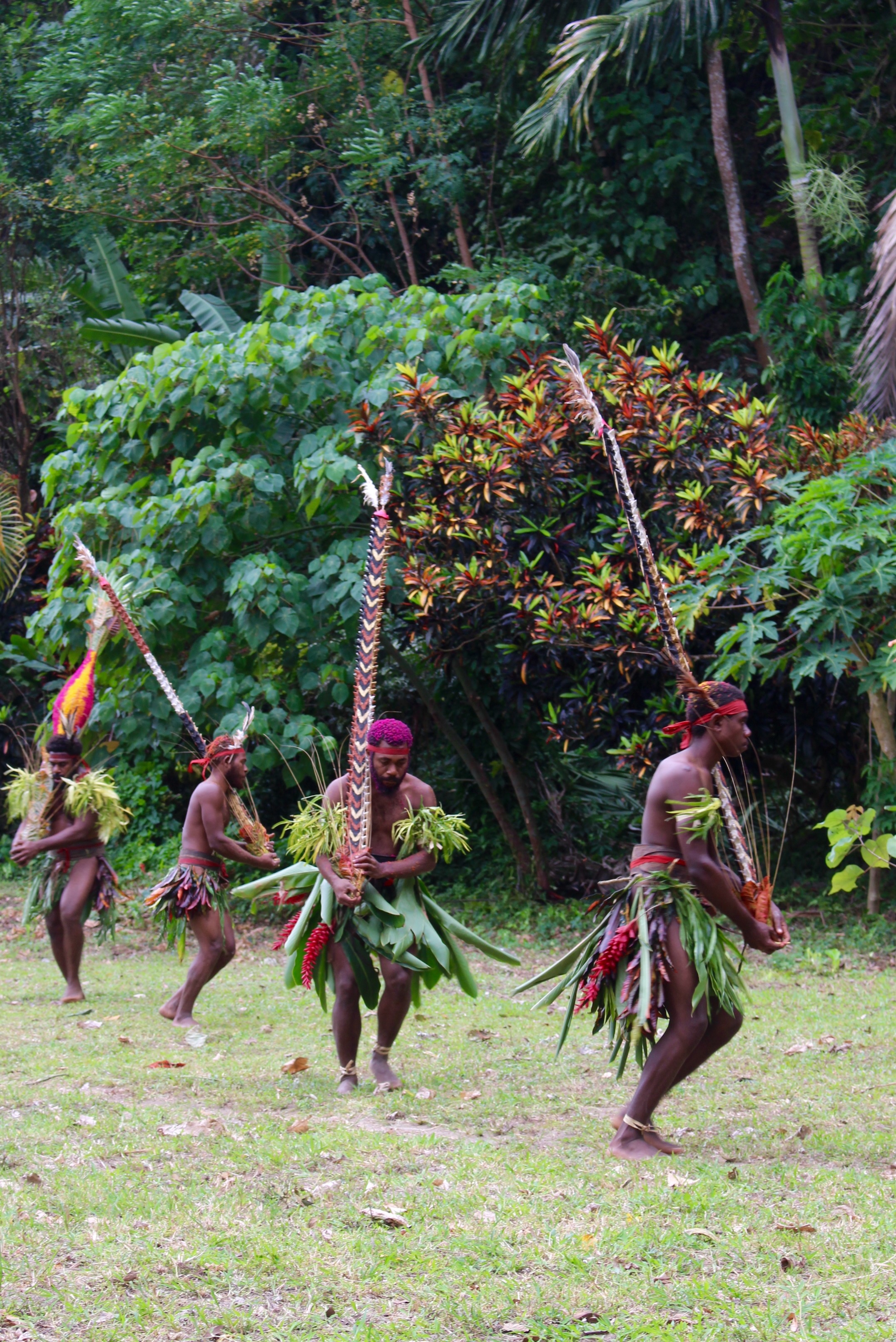
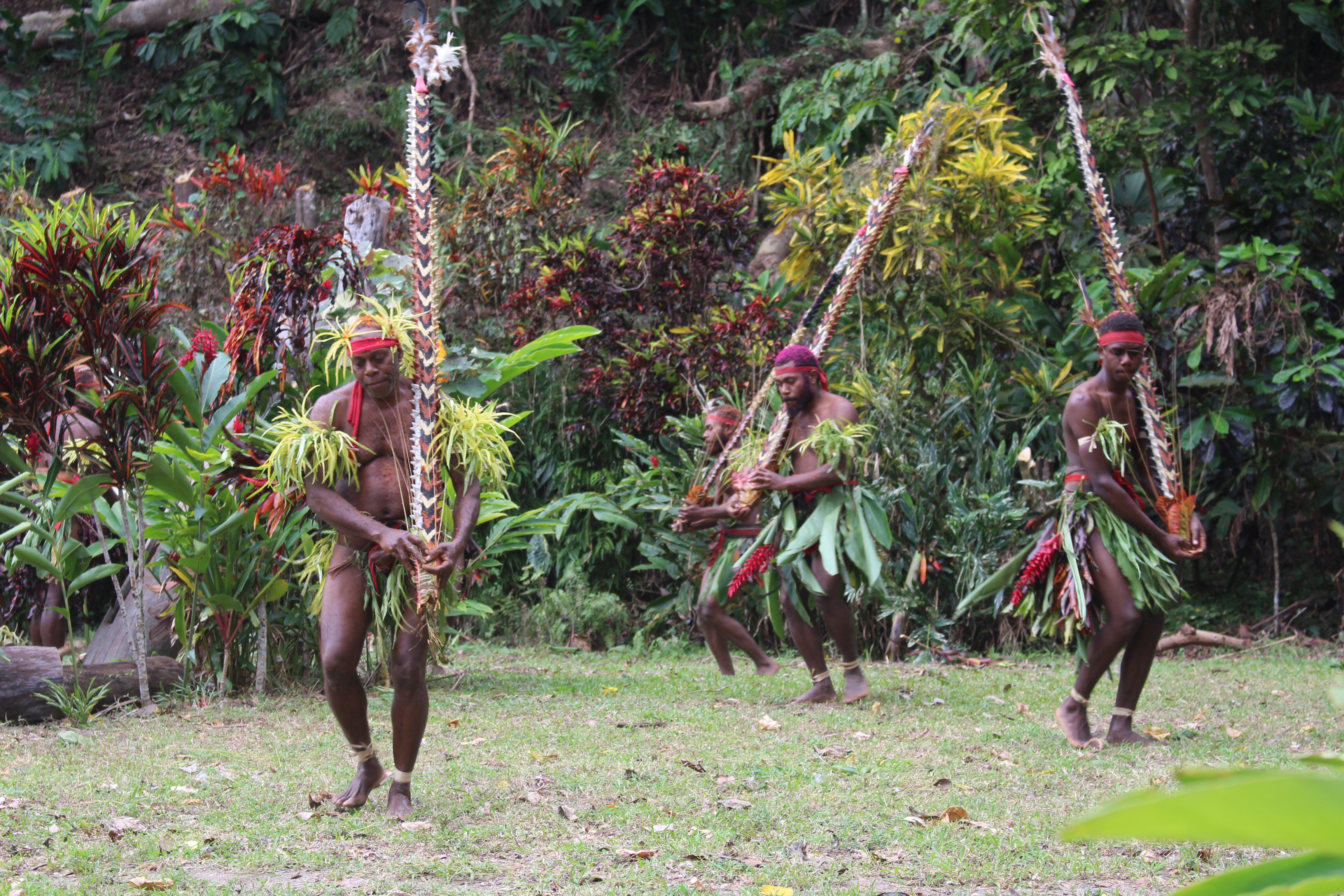
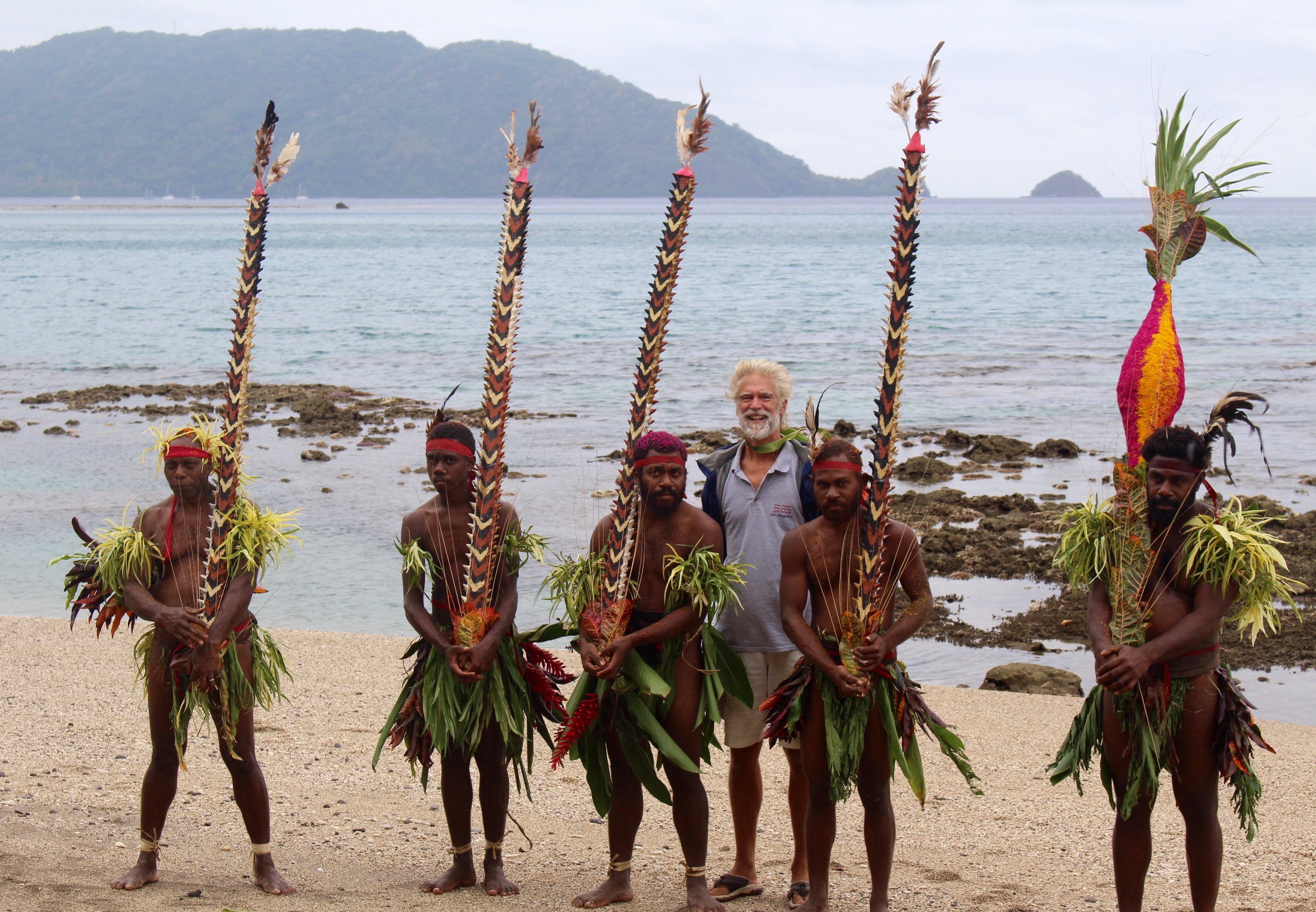
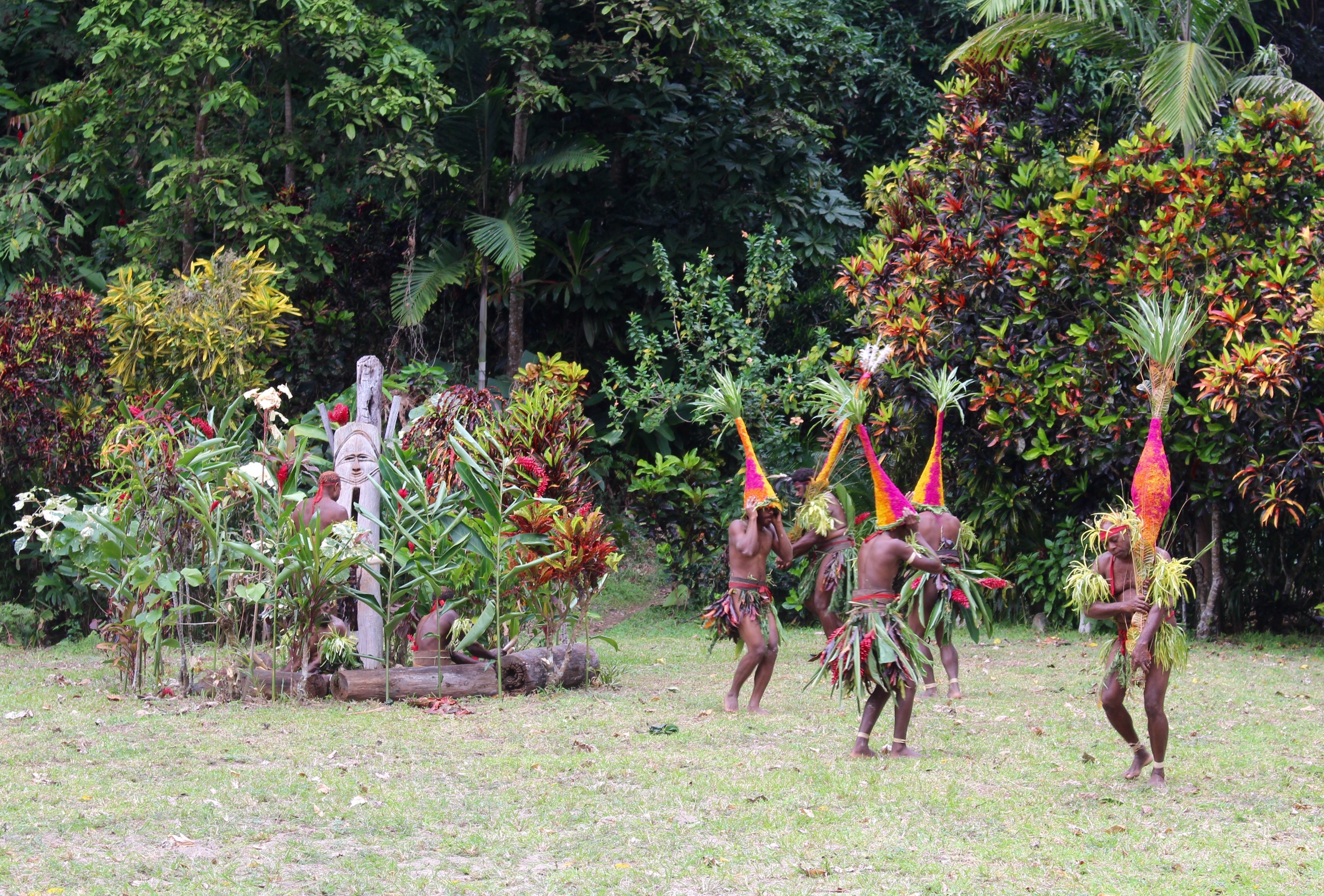
Next morning brought the arrival of Chapter Two, Blue Wind and Maggie. Six BPO boats together — almost the entire fleet! Luc had arranged for a “festival” at the nearby village of Labo. The activities began with traditional dancing, as done in this area only. It had none of the masculine warrior spirit of the Marquesas or the sensuality of Tahiti or the grace of Tuvalu. In fact, its most distinguishing characteristic seemed to be that it was…different! Five ornately dressed/decorated men with…well, see the photos…snaking their way up from the beach, around the drummers in a field, and back from whence they came. They then did two more dances, where the only difference appeared to be the things that they carried. It did not make me want to get up and move my body, but it certainly was unique.
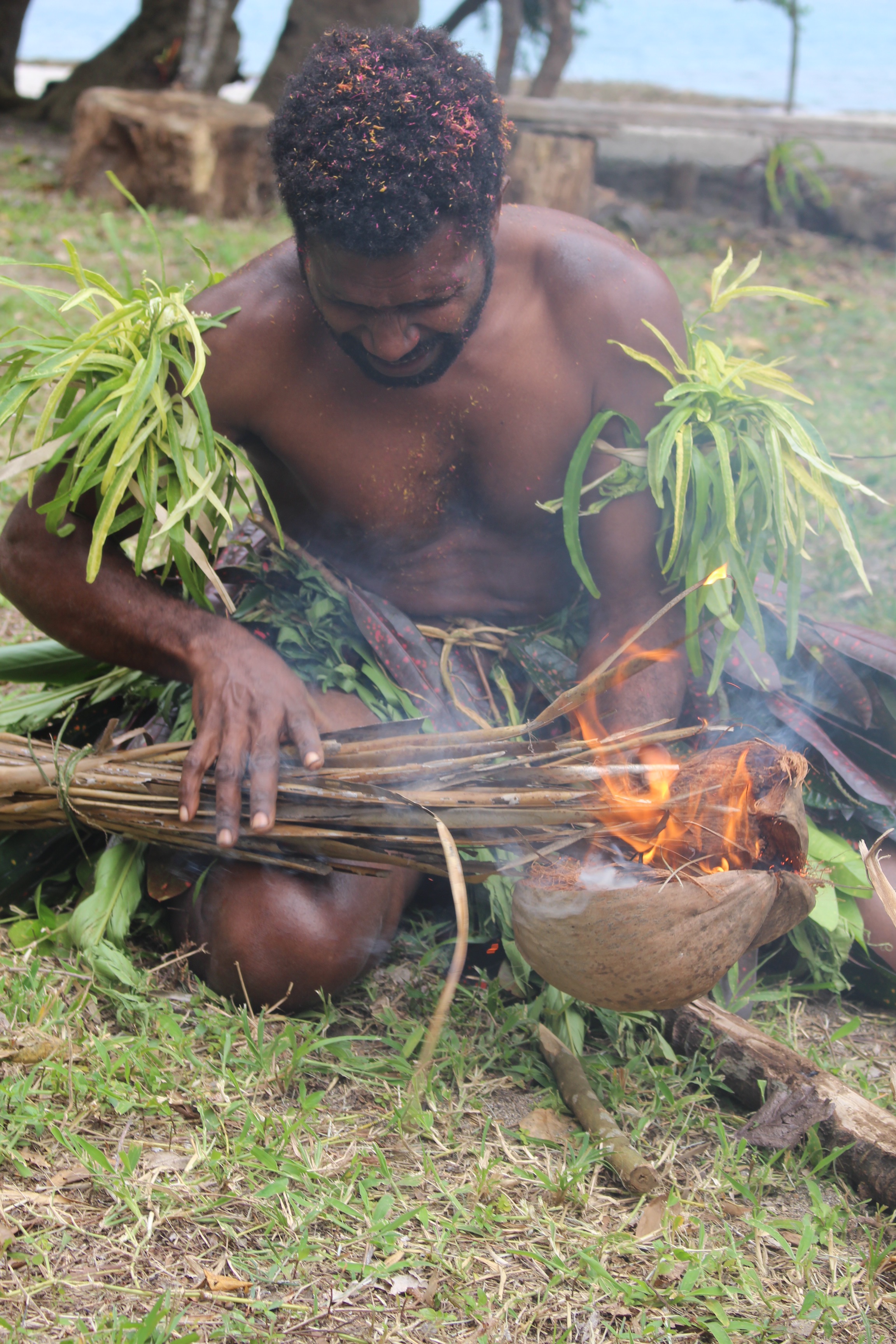
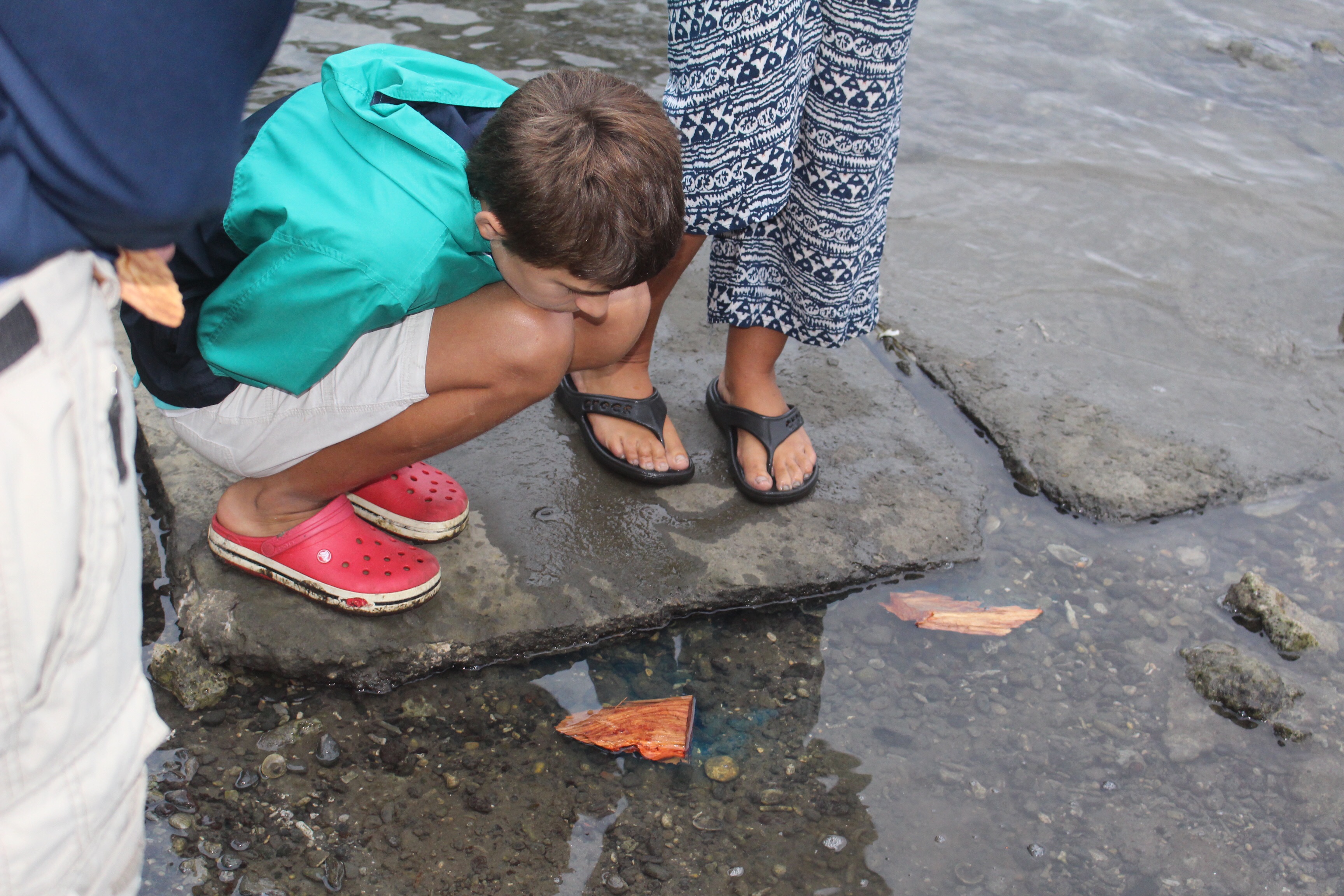
On to the fire-making demonstration. I had never actually seen someone start a fire without a match/lighter/spark. They did it by rubbing a hardwood stick against the inner wood of a coconut log. Something to file away for when I wash up empty-handed on an empty island. Or become a contestant on a TV “reality” show…
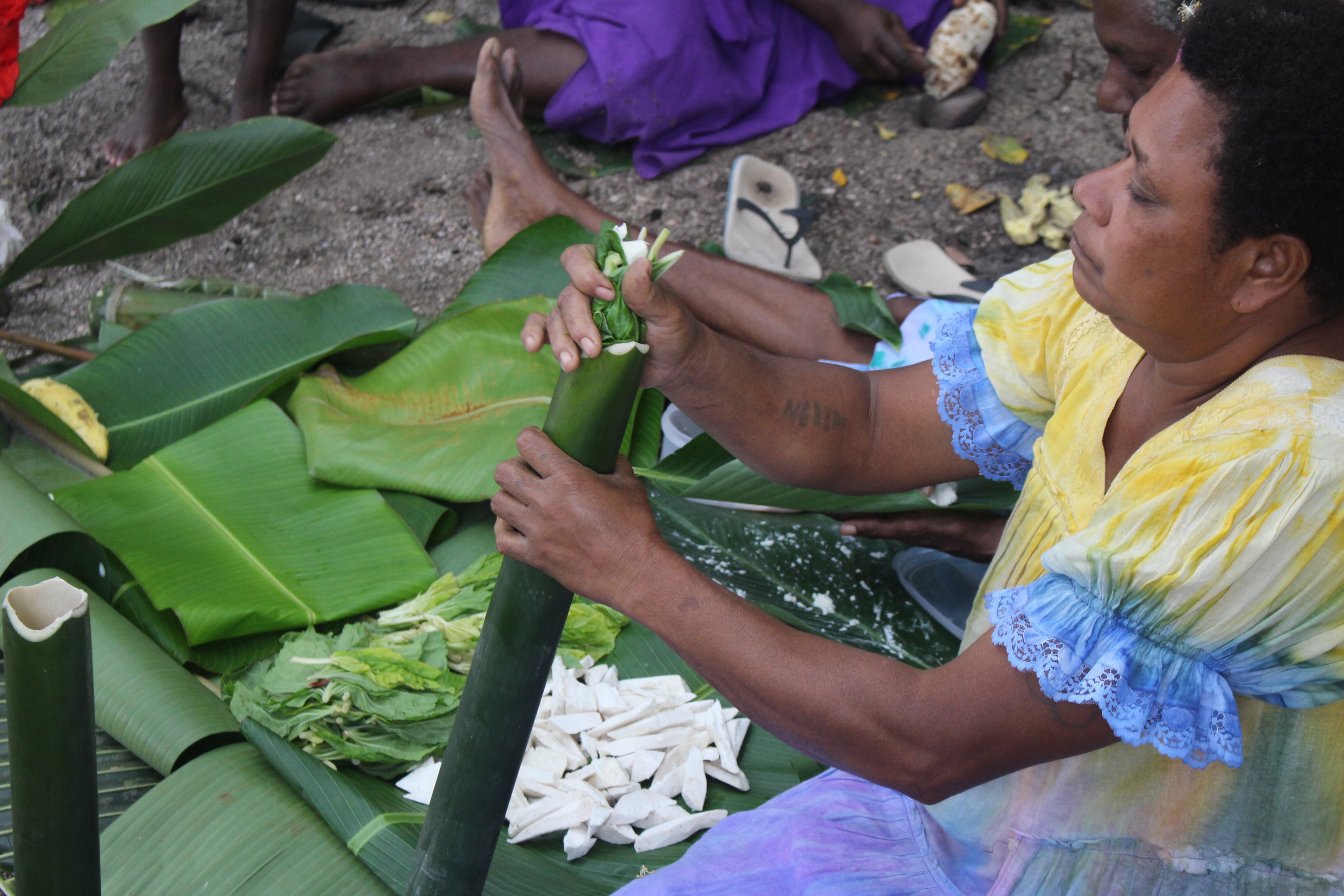
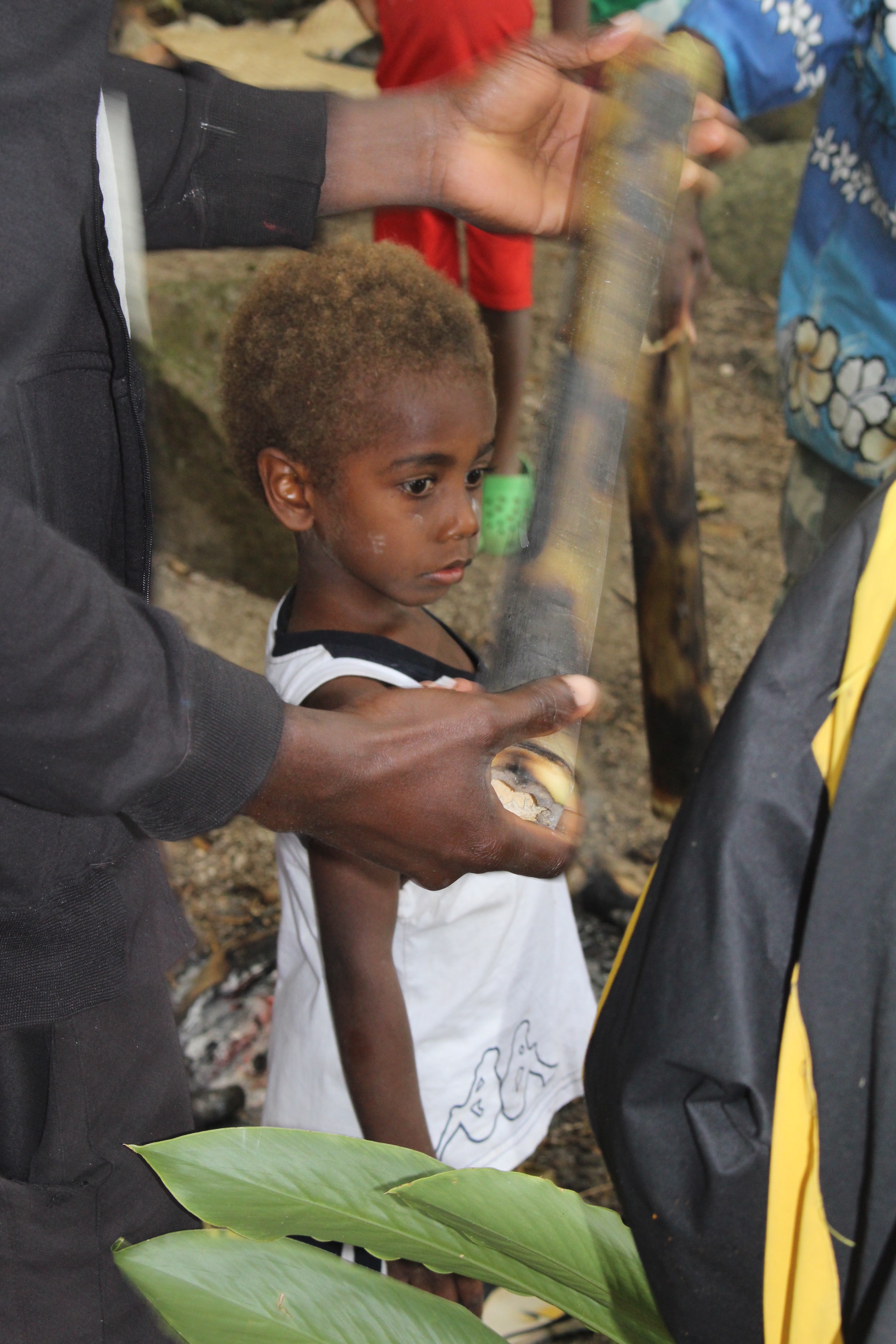
Next the feast. Almost all starch — taro, yams, sweet potato, mantioch, cassava — I don’t know all the variations, but there were all these and more. Some octopus, I think. No meat, and to my surprise no fish (even though we see lots of fishing going on around us). After we finished eating they showed us how some of the food was prepared. Much of it is rolled in leaves and stuffed into a length of green bamboo. The bamboo is then placed in the fire until it is charred, and then the food inside is done.
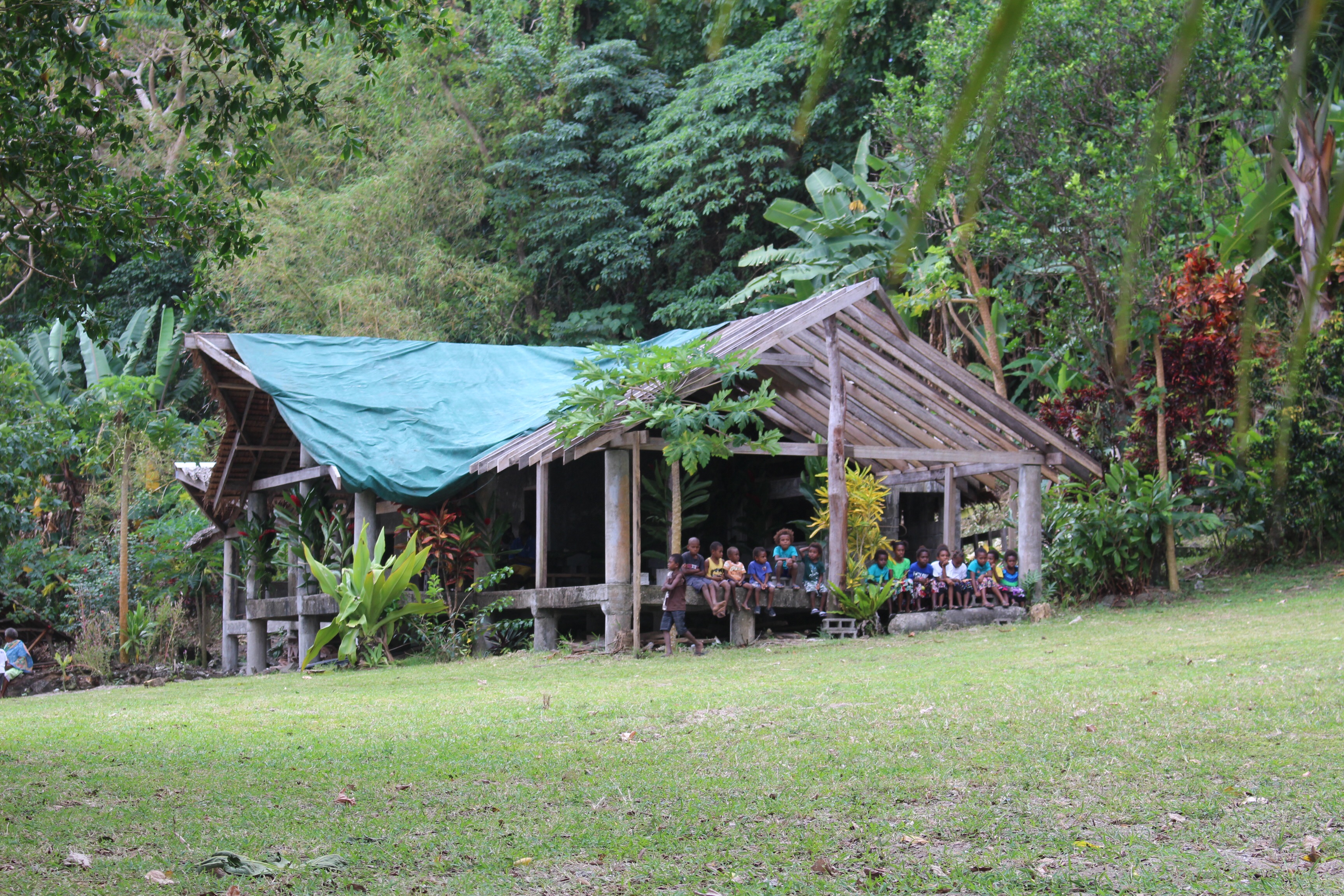
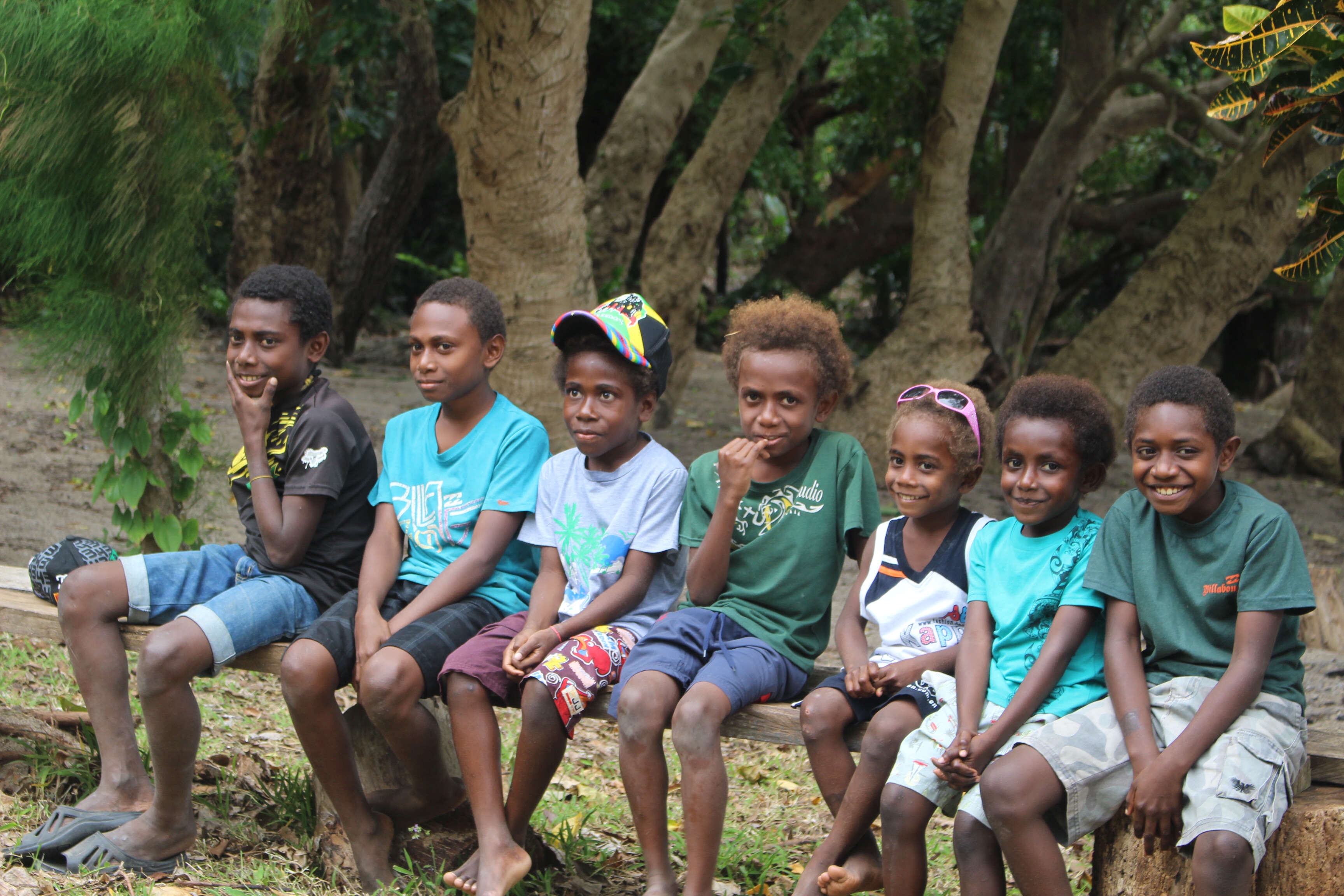
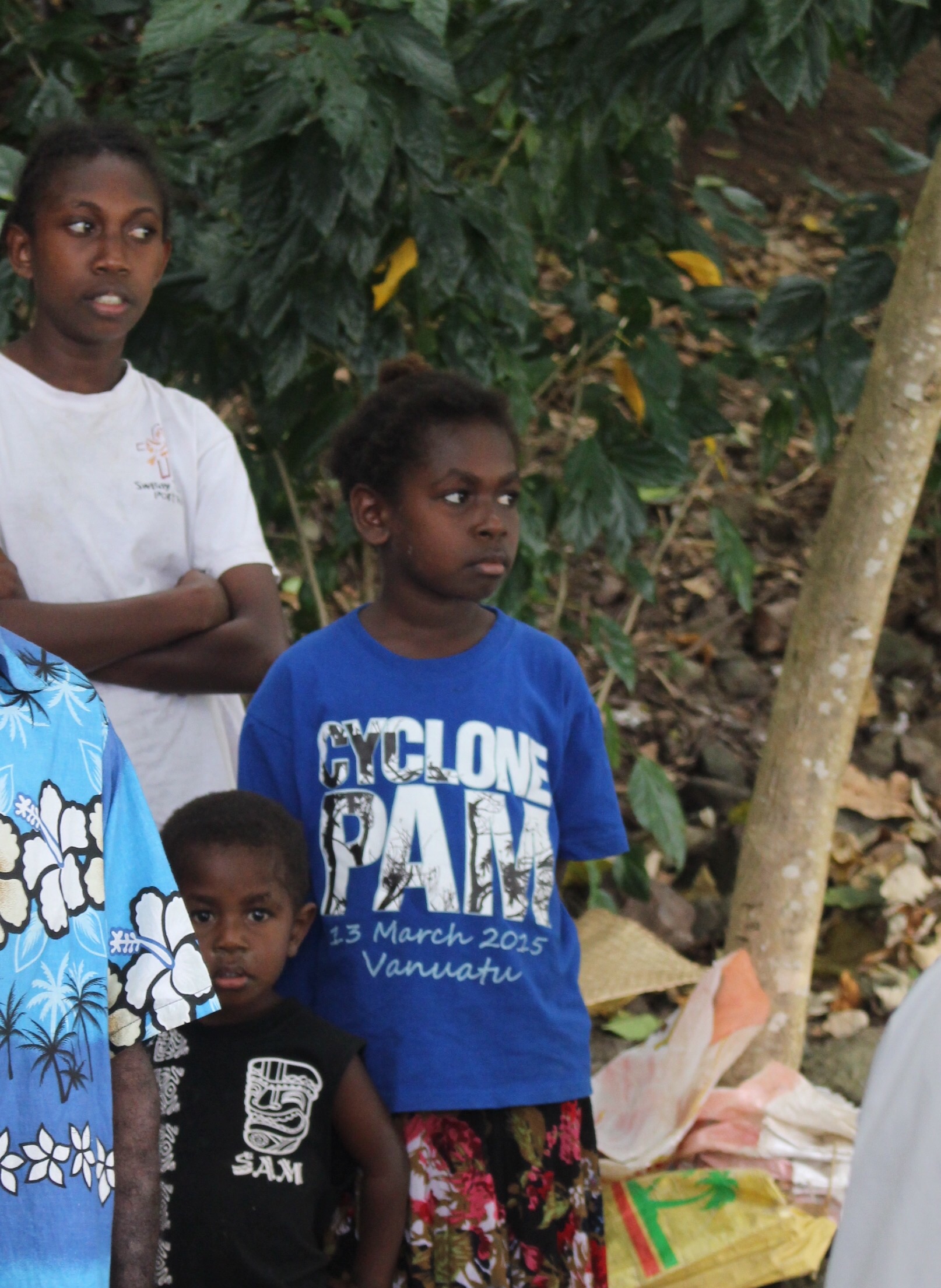
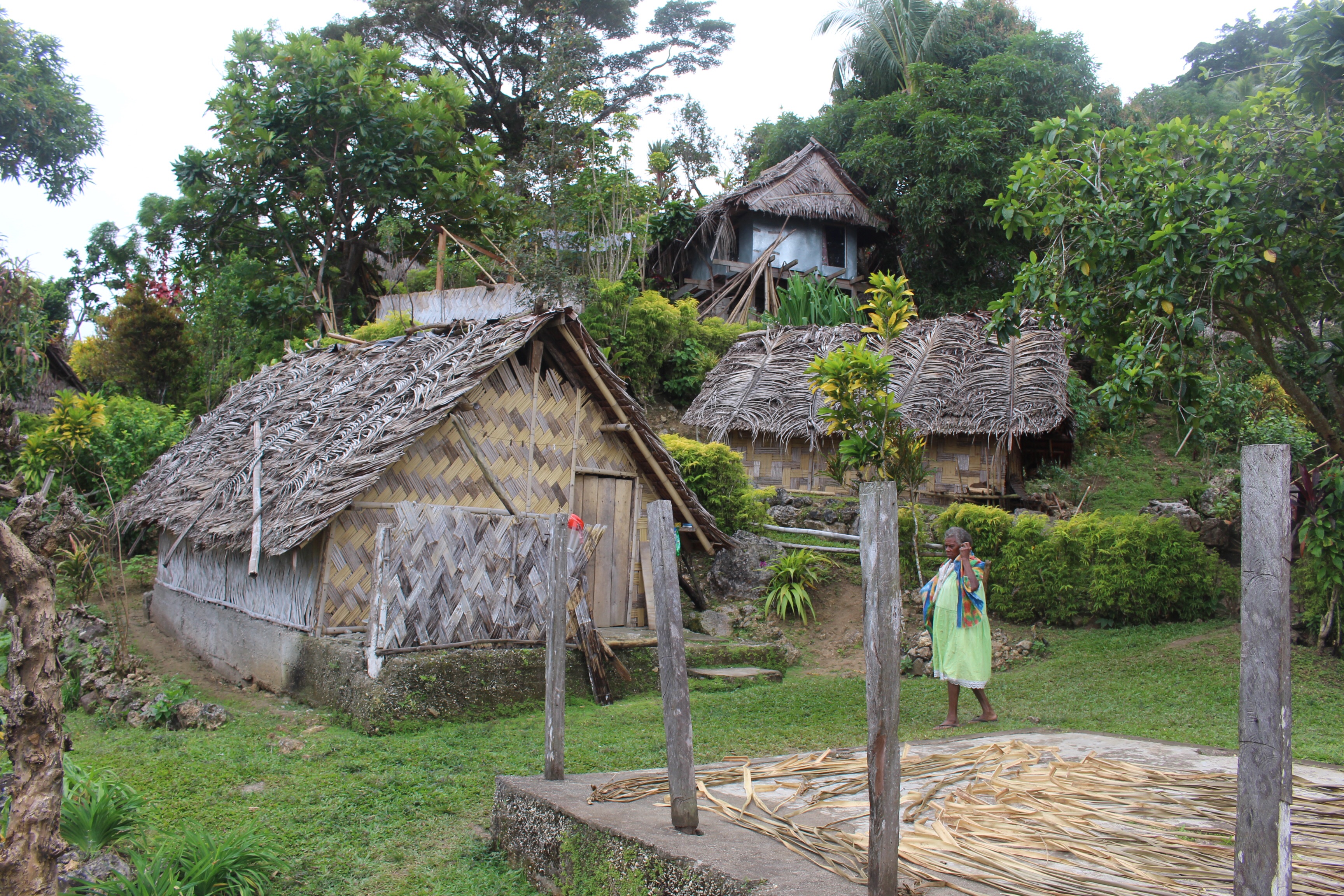
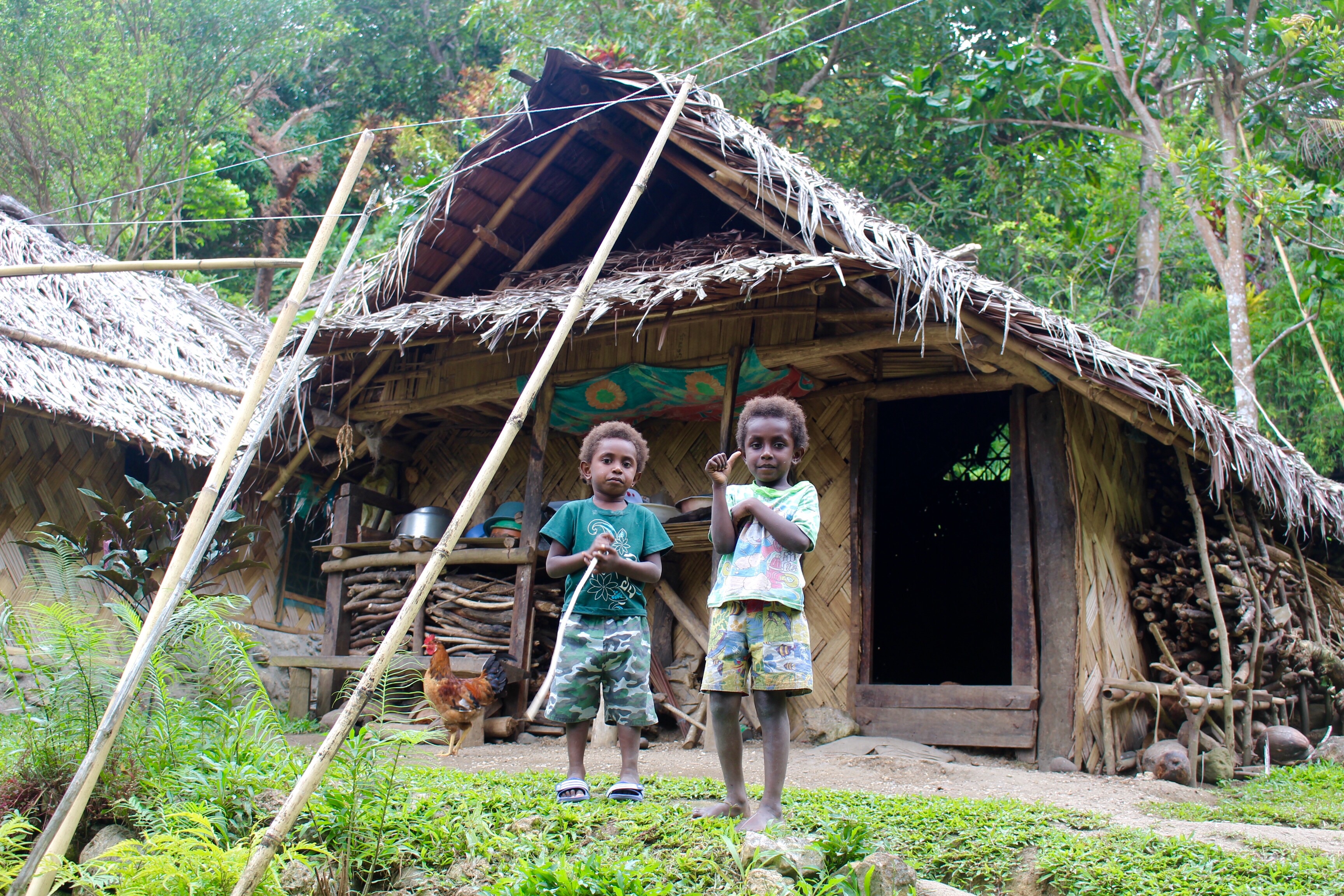
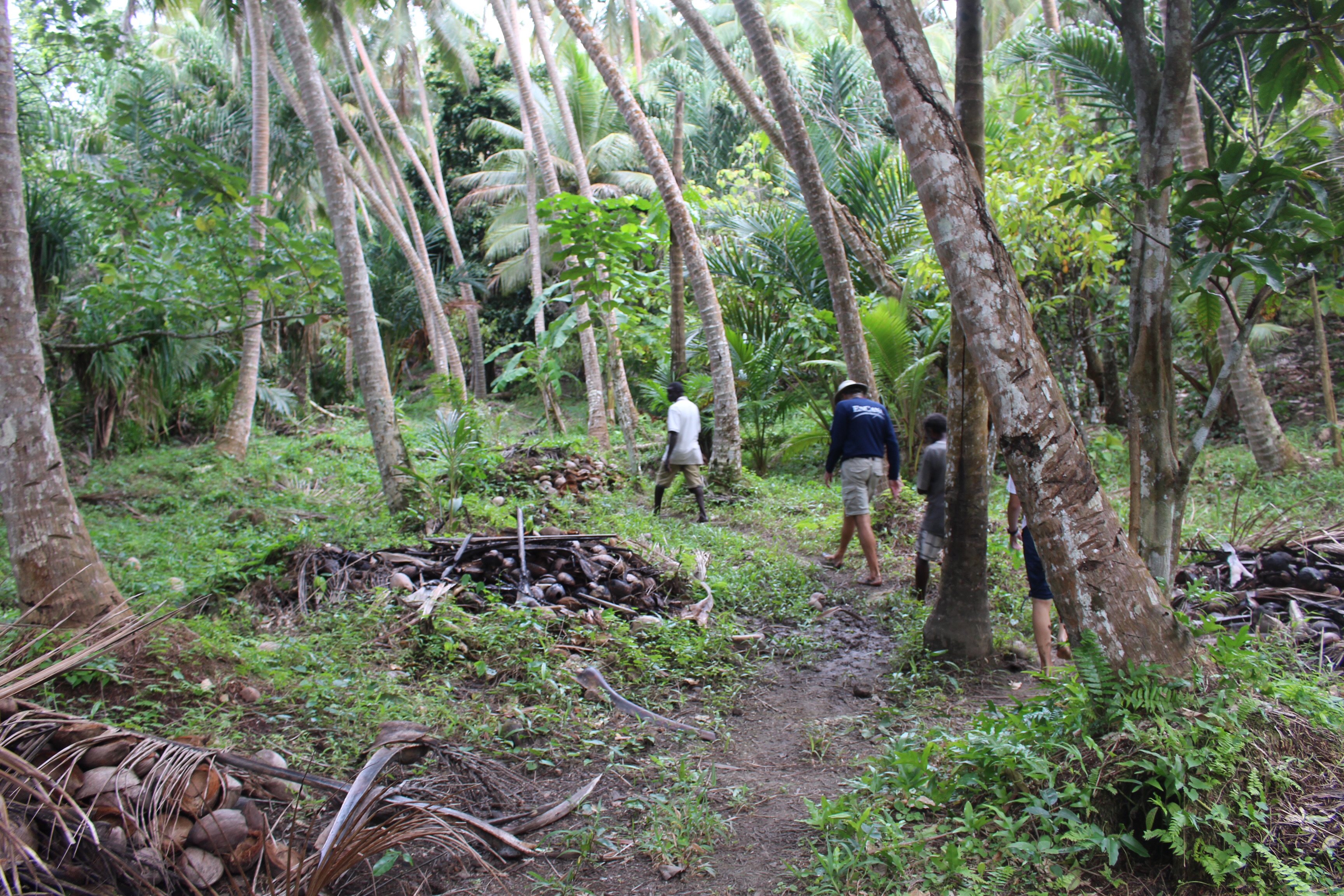
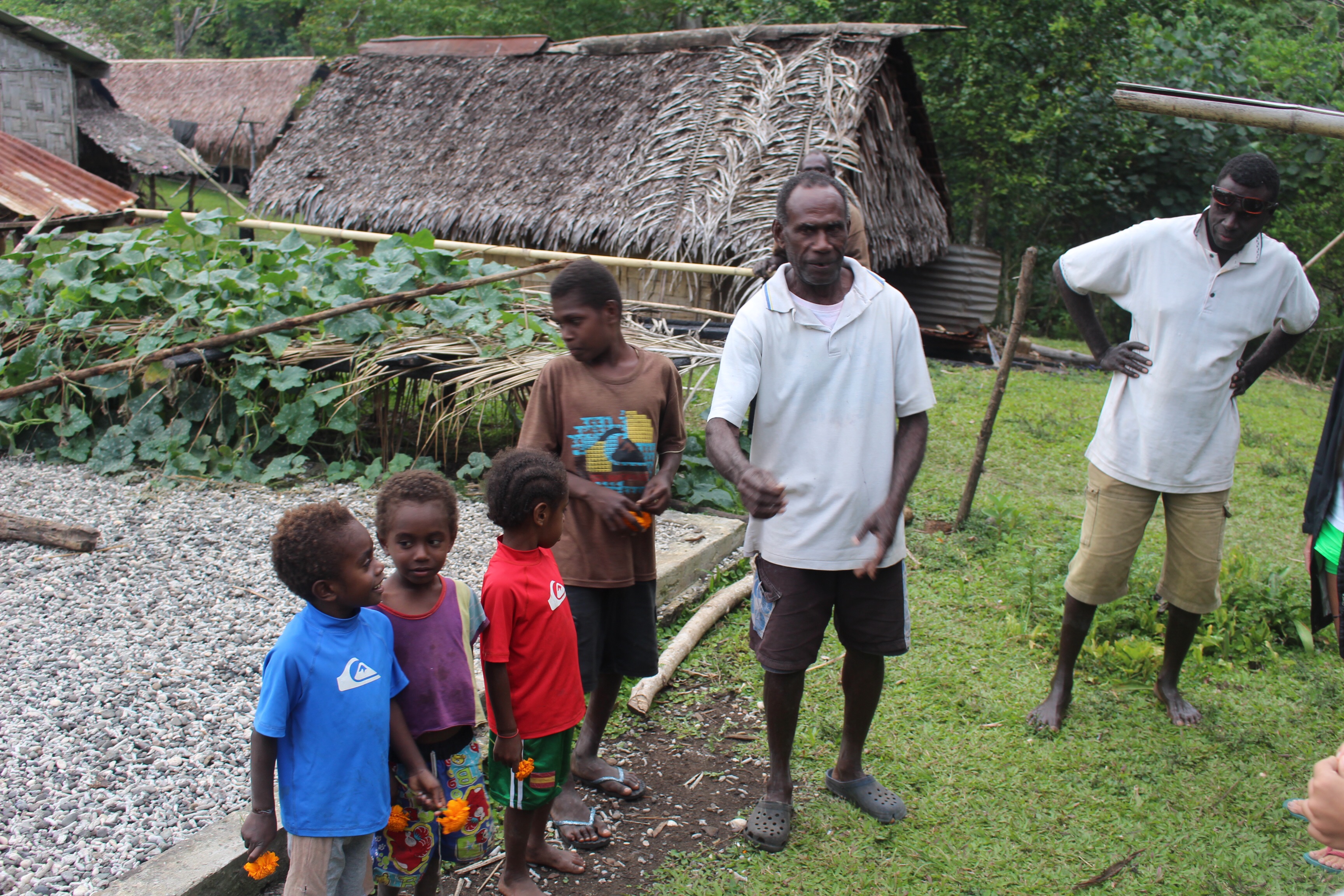
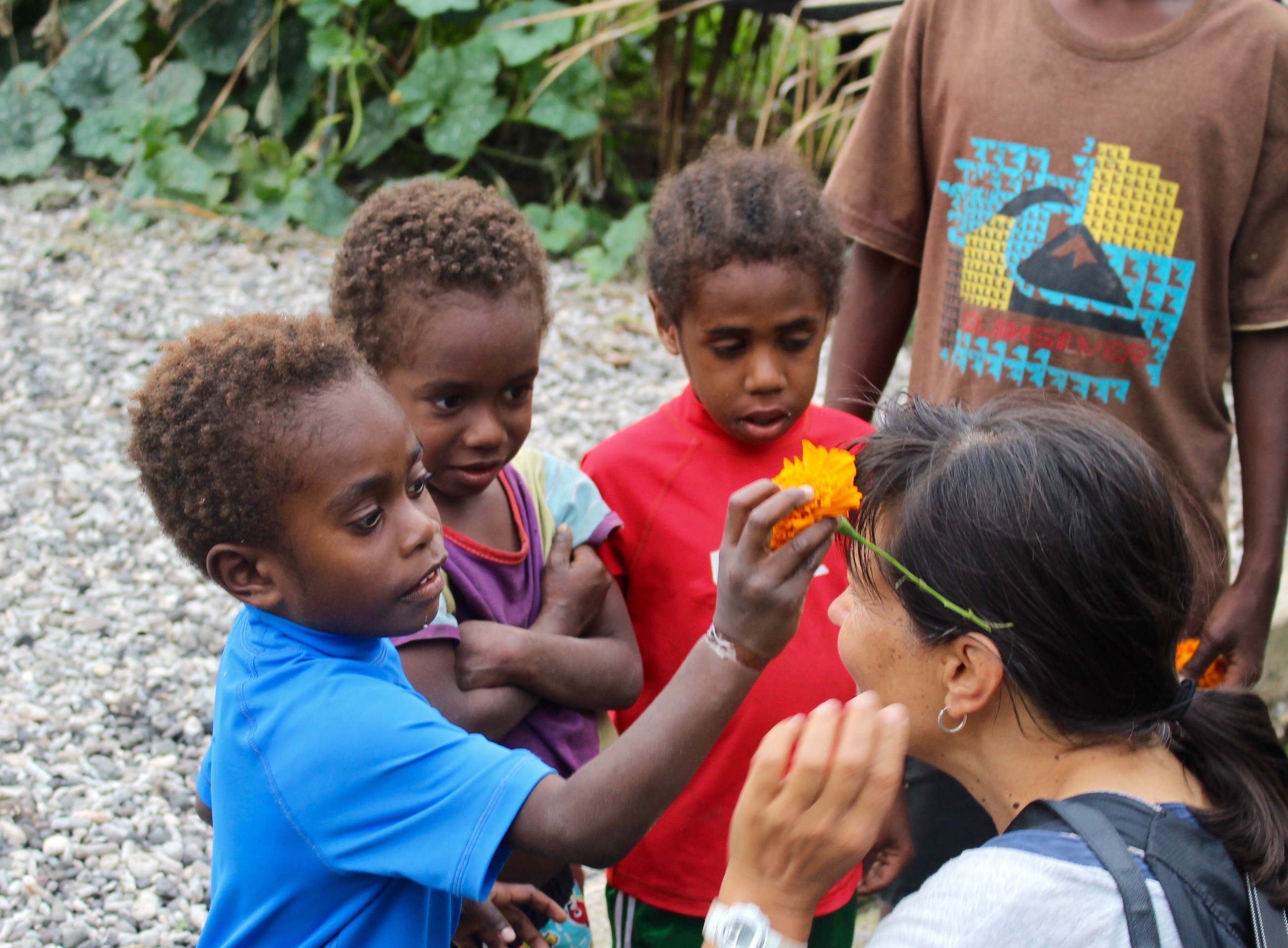
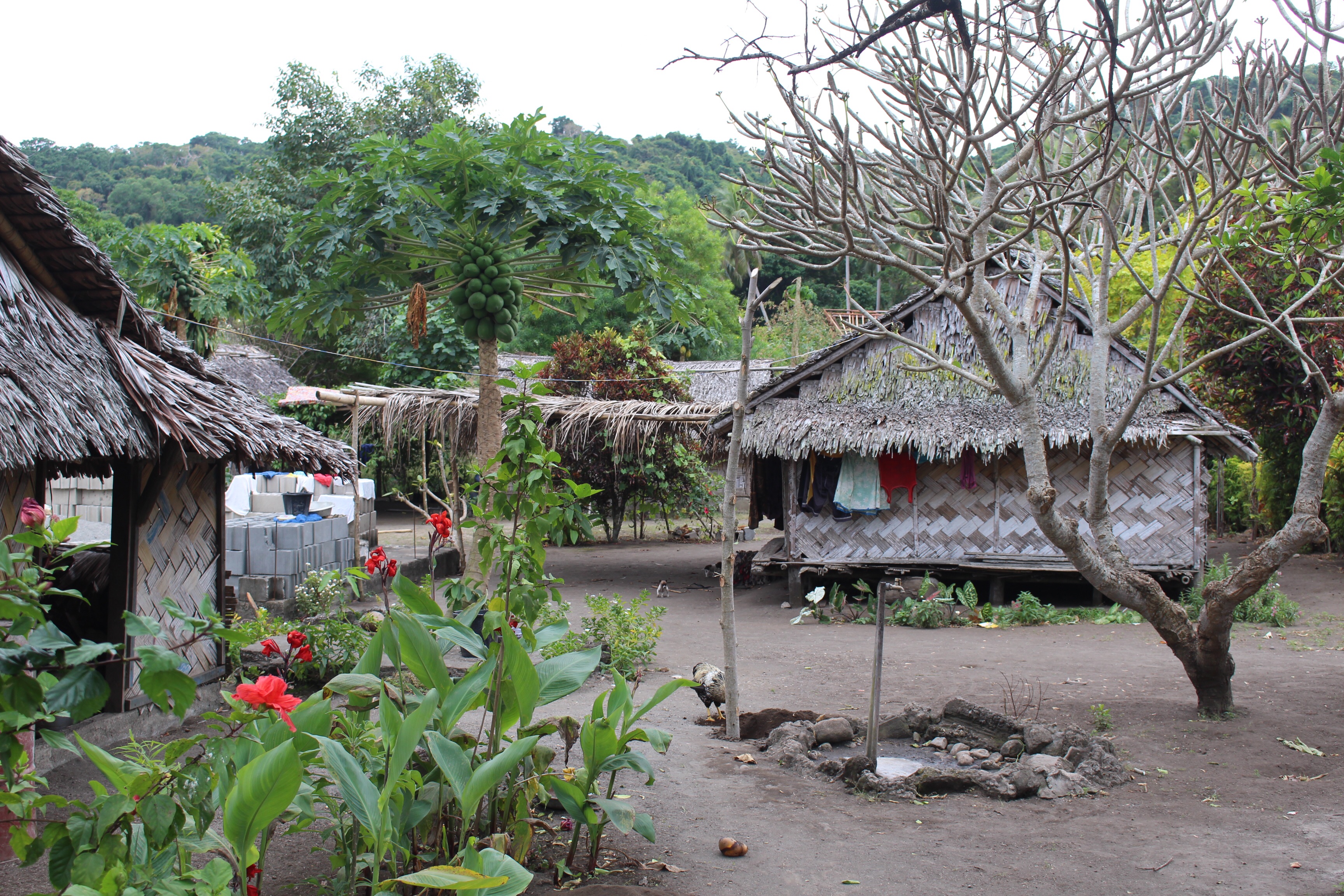
On to the tour of the village. About 150 people live there. I was once again impressed with the beauty and the cleanliness. It had falas/huts at the places with the best views, that were communal resting places. There were several water faucets, piped from a big tank up the hill. Some houses had water carried by bamboo sluices, directly from a stream. There were a few solar panels, but not many. I was told that everyone eats together in the dining hall, at least one meal per day, and sometimes three. The kids all look healthy and happy.
We followed a path up a hill, and then down to the local swimming hole. A stone dam had been built below a small waterfall to make a pool. Bob and I jumped in, along with several others.
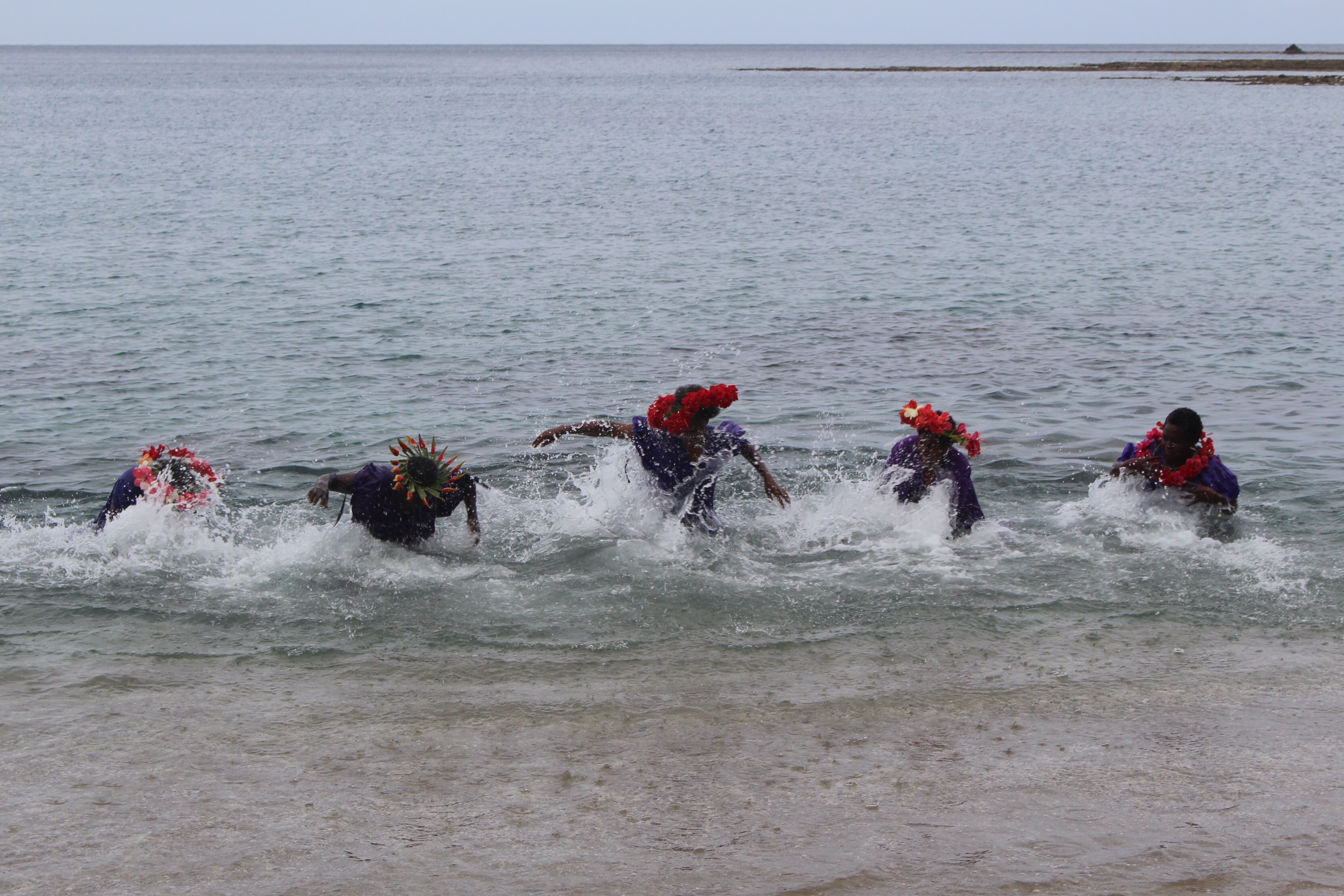
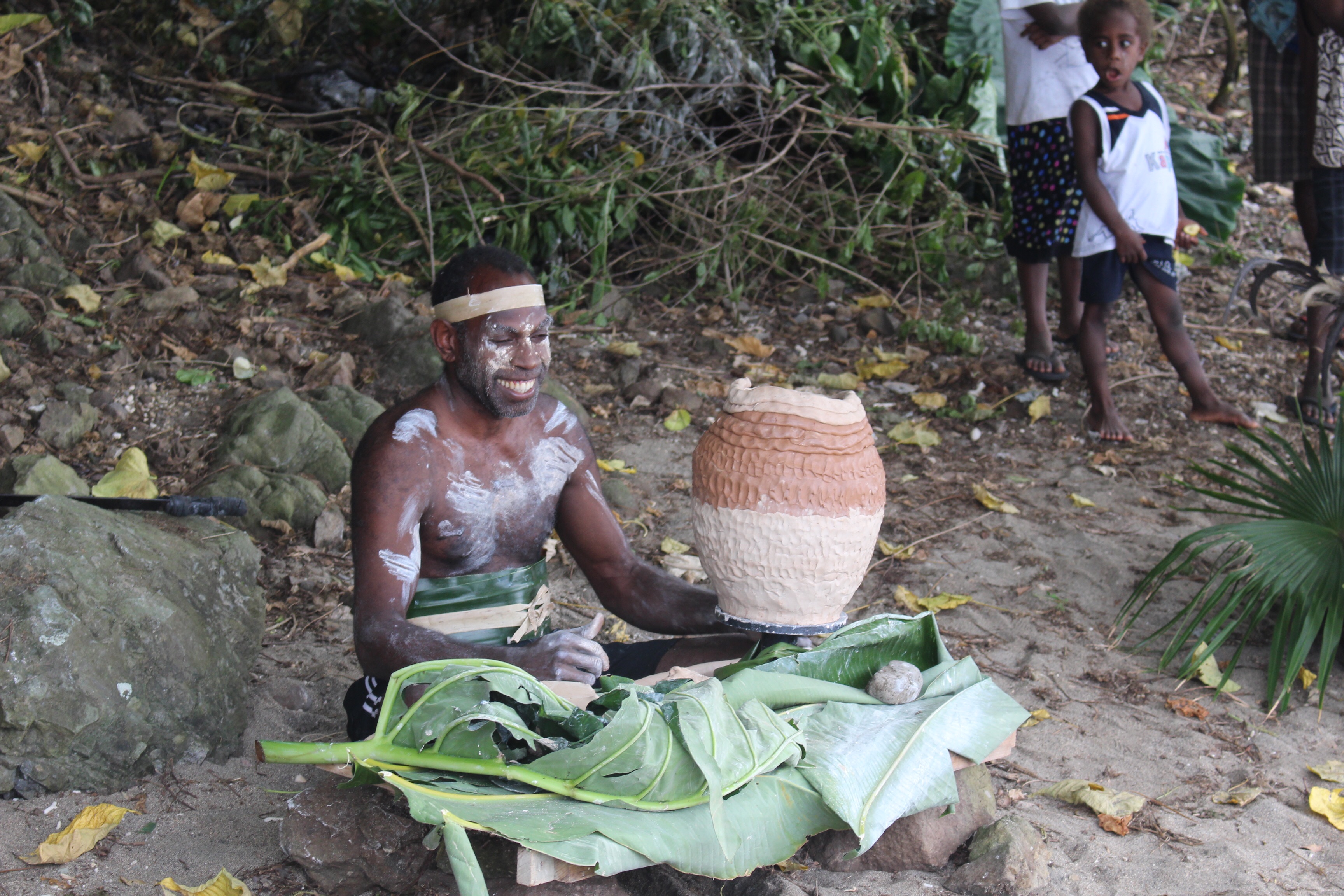
There was a demonstration of pottery making. It seems that making pots had become a lost art, and one man was re-introducing the craft. And there was a group of women making “water music.” This is a challenge to describe. They use their hands in the water to make sounds like drumming, and by different motions they can make different sounds. It’s fun to watch and the sound is amazing. I have video, but the sound picked up by the video just isn’t the same as what you hear…
For all this we paid about $30 each, lunch included. A great value, as the village clearly spent days preparing for our visit. I have mixed feelings about the prepared presentation of the culture. It’s not that it isn’t real — it is. But it seems like it is taking the culture out of its natural context. I suppose it is like a “living museum.” Of course we would never have the opportunity to see and learn so much in one day, if it were not prepared/presented for us. And it is great that our money goes directly to the village, with no “agent” taking a cut. But I’m very glad that I got to see the village of Tisvel the other day, just as a friendly visit and not as a customer!


















 ZekeTheSailor